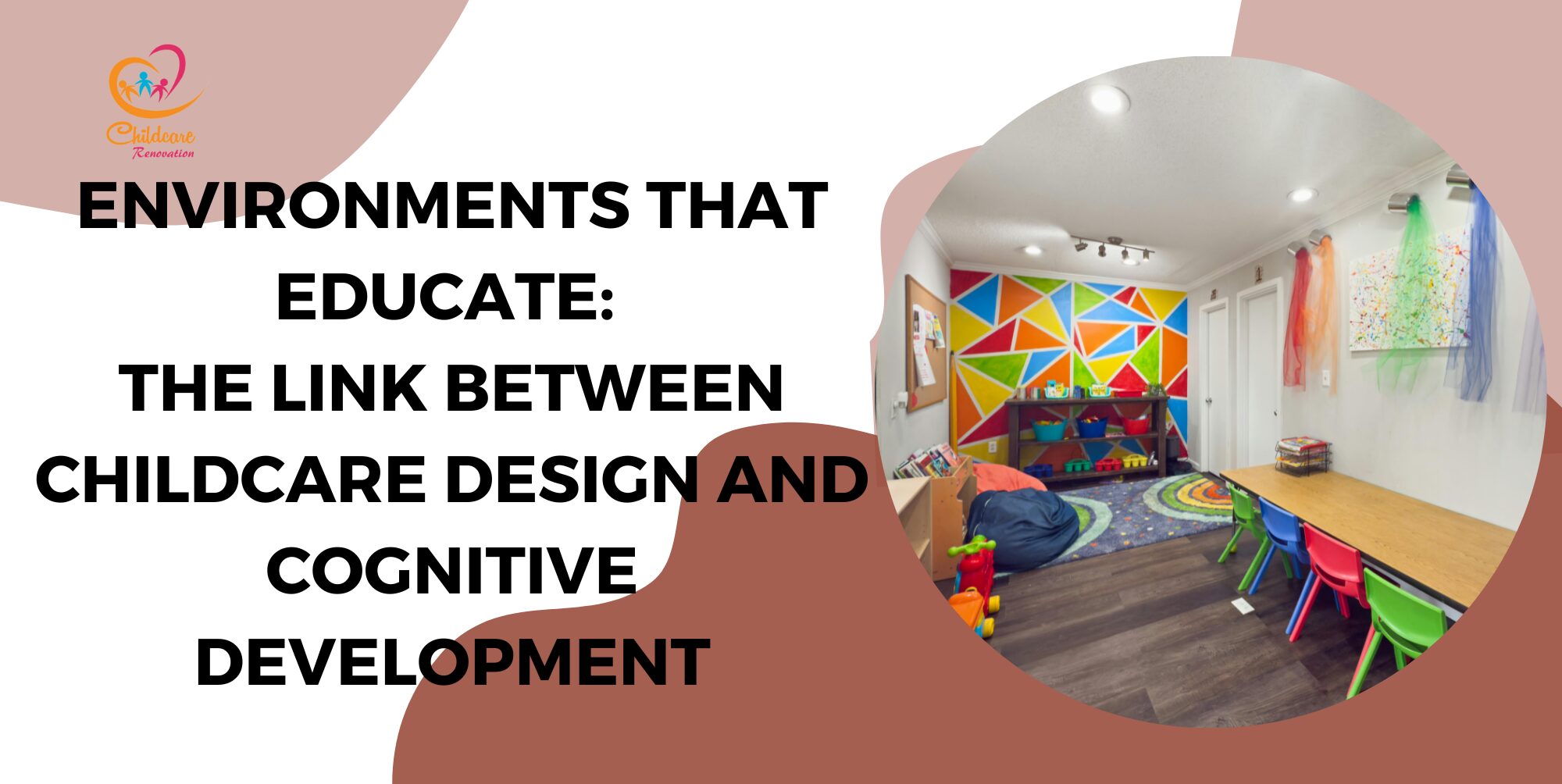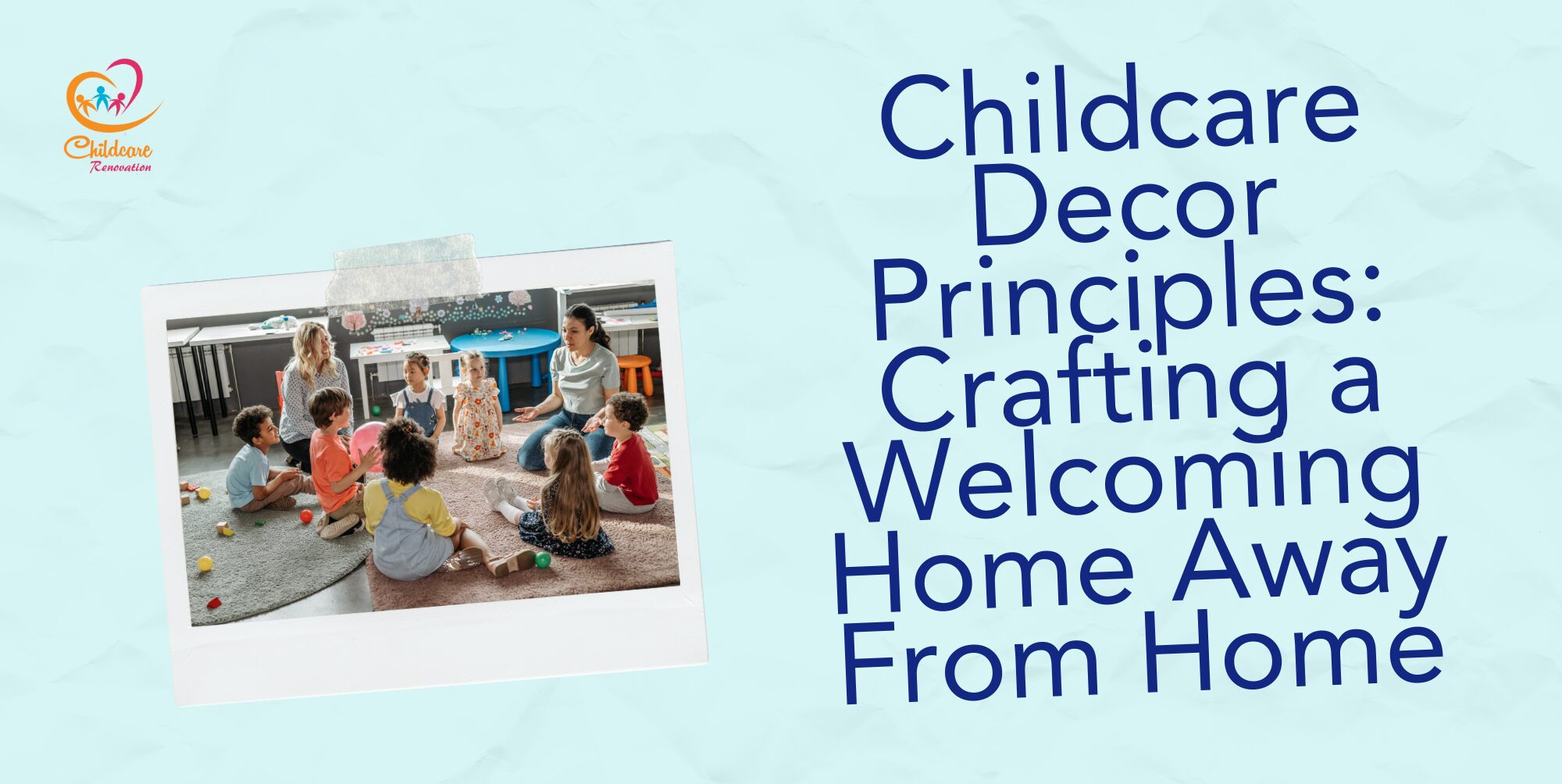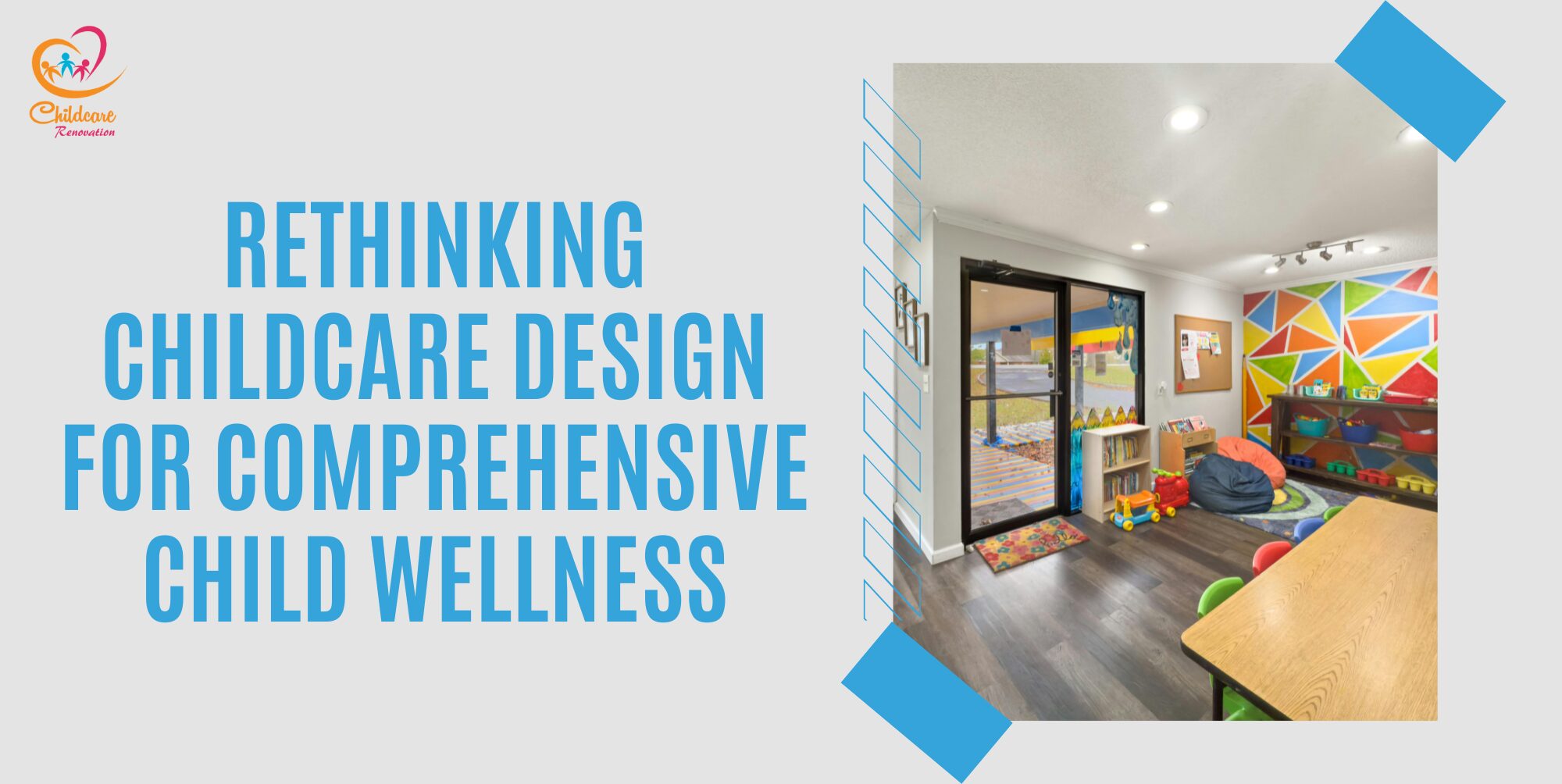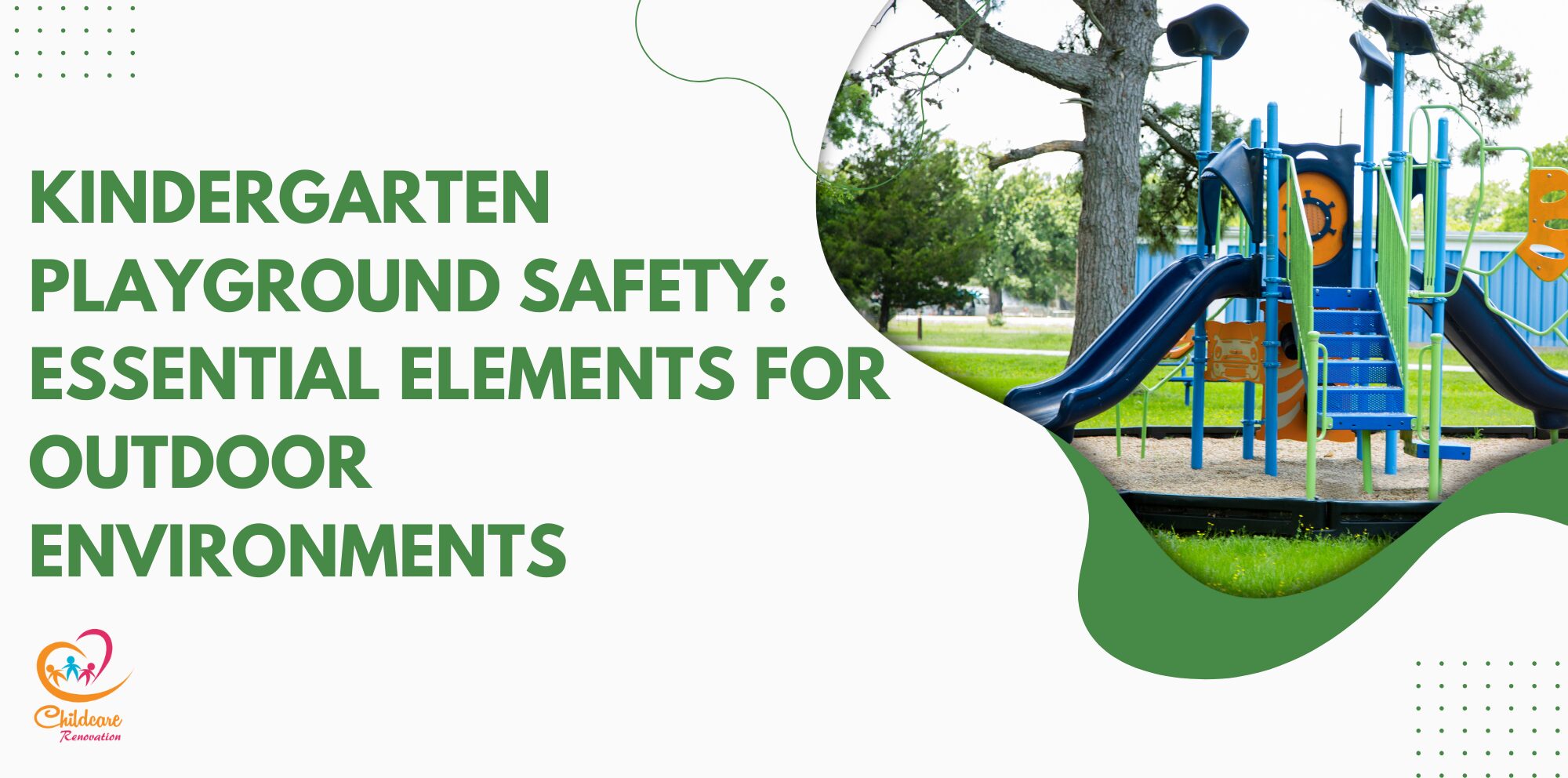

Architecture of childcare centres is important to make sure the space is well made and planned. There are many ways to make sure a childcare is planned efficiently. Listed below are some of the key areas of concern.
Architecture Of Childcare Centres 1: Safety First
Safety first is a fundamental philosophy in the design of childcare centres, directing every component to protect and nurture young children. Considering their openness and fragility, it is really important to create a setting where youngsters can investigate freely inside clearly specified safe bounds.
One of the major elements is how rounded edges on furniture and builtins reduce the possibility of bruises and accidents. Nonpoisonous, child safe materials and slip resistant flooring are essential to assist in the prevention of accidents and minimise exposure to poisonous substances. Usually using keypad access or controlled access systems, entry and exit points must be very well locked to ensure only approved adults may access kids.
Of equal importance is the strategic placement of windows, partitions, and clear walls that enable caregivers to maintain consistent view lines around the area for ongoing observation. Often raised or covered, electrical outlets are locked and out of children’s reach cabinets for hazardous chemicals and cleaning materials. Child-safe fencing should enclose outdoor play spaces, which should also include shock-absorbent ground materials such turf or rubber mats to soften falls.
Staff members should have easy access to clearly marked emergency exits but secured against child manipulation. Fire safety systems including alarms, extinguishers, and sprinklers also have to satisfy local codes and be periodically serviced. Finally, a well planned childcare facility gives the calm of parents and caregivers top priority in addition to the safety of children, hence creating the conditions for a safe and nurturing learning atmosphere.
Architecture Of Childcare Centres 2: Natural Light and Ventilation
Essential architectural components in childcare facilities are natural light and ventilation, which help to greatly improve the welfare, comfort, and development of children. Large windows, skylights, or glazed doors provide enough natural light, therefore lowering reliance on artificial illumination and supporting youngsters circadian rhythms, improving mood, and increasing focus.
Exposure to daylight has been associated with better emotional control — important features for young students and improved sleep patterns. Deliberately locating windows at child-height promotes interaction with the outside and also ignites inquisitiveness and observational learning. Good ventilation is vital for keeping interior air quality in particular where children are near one another, in addition to natural light.
@alyssaanselmo7
Cross-ventilation using operable windows and vents minimises the amount of airborne contaminants, allergens, and odours by allowing stale air to escape and fresh air to flow in. This allows the establishment of a more comfortable and stimulating learning space as well as promoting respiratory health. Natural ventilation also controls indoor temperature, thereby minimising the use of mechanical systems for cooling and heating. Thoughtfully combined, natural ventilation and natural light help to produce a calming, invigorating environment for physical and emotional growth.
Particularly valuable in daycare centres where young children are indoors most of the day, these two factors are. To make these advantages to the maximum while assuring safety and energy efficiency in terms of orientation, window positioning, and material choice must be of prime consideration by designers and architects. Incorporating sufficient natural light and proper ventilation eventually turns a child care facility into a healthier, more stimulating environment for students and teachers alike.
Architecture Of Childcare Centres 3: Storage and Organisation
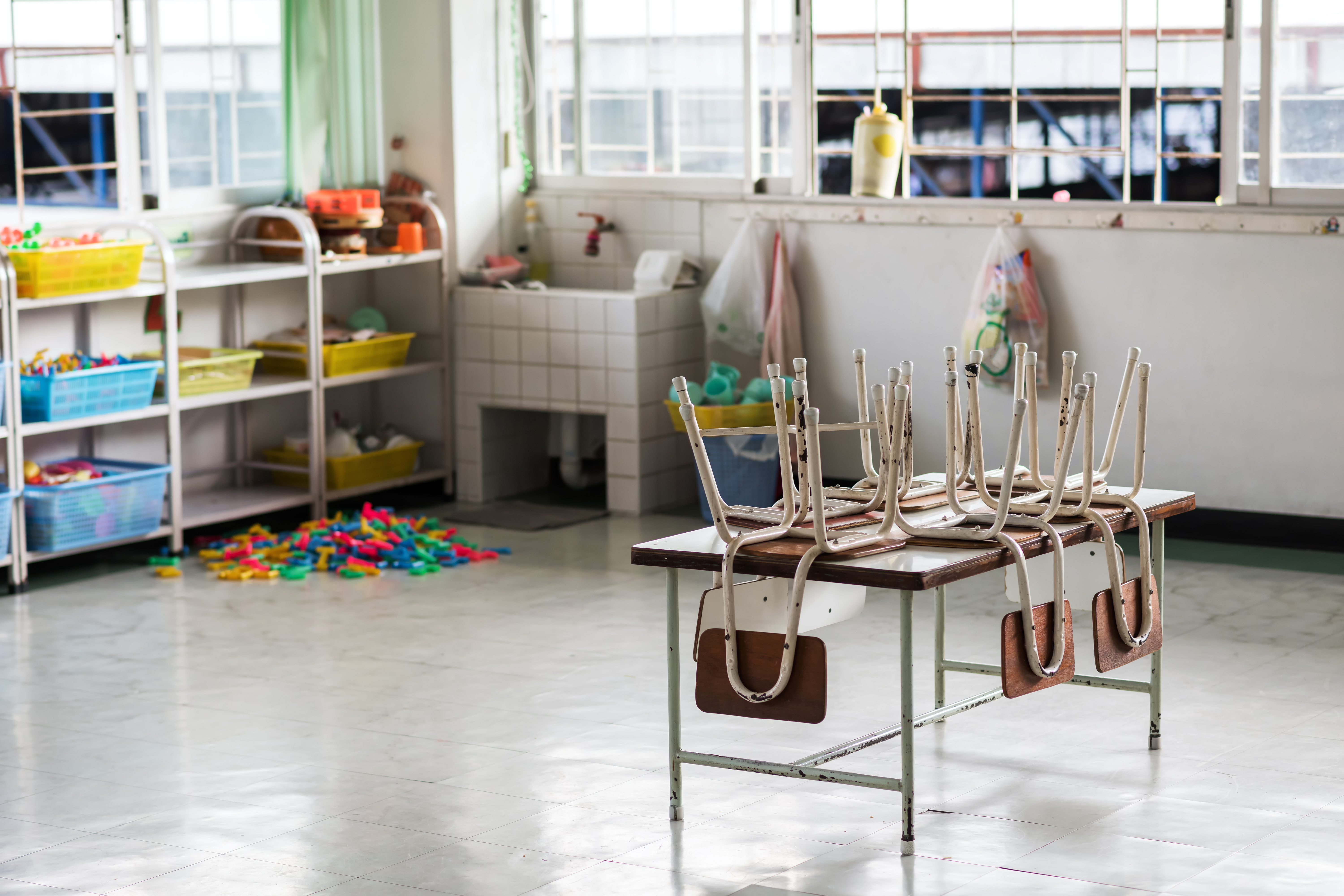
Effective storage and organisation are essential design aspects in childcare facilities since they foster both practicality and a caring learning atmosphere. Carefully constructed storage helps teachers to smoothly handle daily routines while giving kids the ability to interact alone with their surroundings.
Built-in cubbies, open shelves, and well marked compartments support youngsters as they acquire responsibility and self-reliance as they store and retrieve their own items. Allowing even the youngest children to help with tidying up and material organisation, storage solutions must be approachable and child-sized. Besides accessibility, safety is of utmost significance; rounded edges, strong fastenings, and steady units help to avoid accidents during active play. Hidden or closed storage helps to eliminate visual clutter and produce a more tranquil, more concentrated learning environment.
Furthermore enabling spaces to serve several functions, flexible storage systems let one go from creative play to peaceful reading. For supplies and documentation, educator-specific storage guarantees crucial items are accessible yet secure in lockable cabinets. Furthermore, organisational strategies apply to classroom arrangement, where clearly marked regions with suitable storage such as art supplies next to craft tables or books adjacent reading nook improve workflow and minimise distractions. Careful inclusion of storage into the whole design helps young youngsters feel secure by providing a sense of order and predictability.
Well-designed storage in childcare facilities finally helps daily activities as well as strengthens important developmental abilities in independence, routine, and spatial awareness. This basic architectural component greatly helps to create a child-friendly environment and increase centre effectiveness.
Architecture Of Childcare Centres 4: Child-Centric Scale
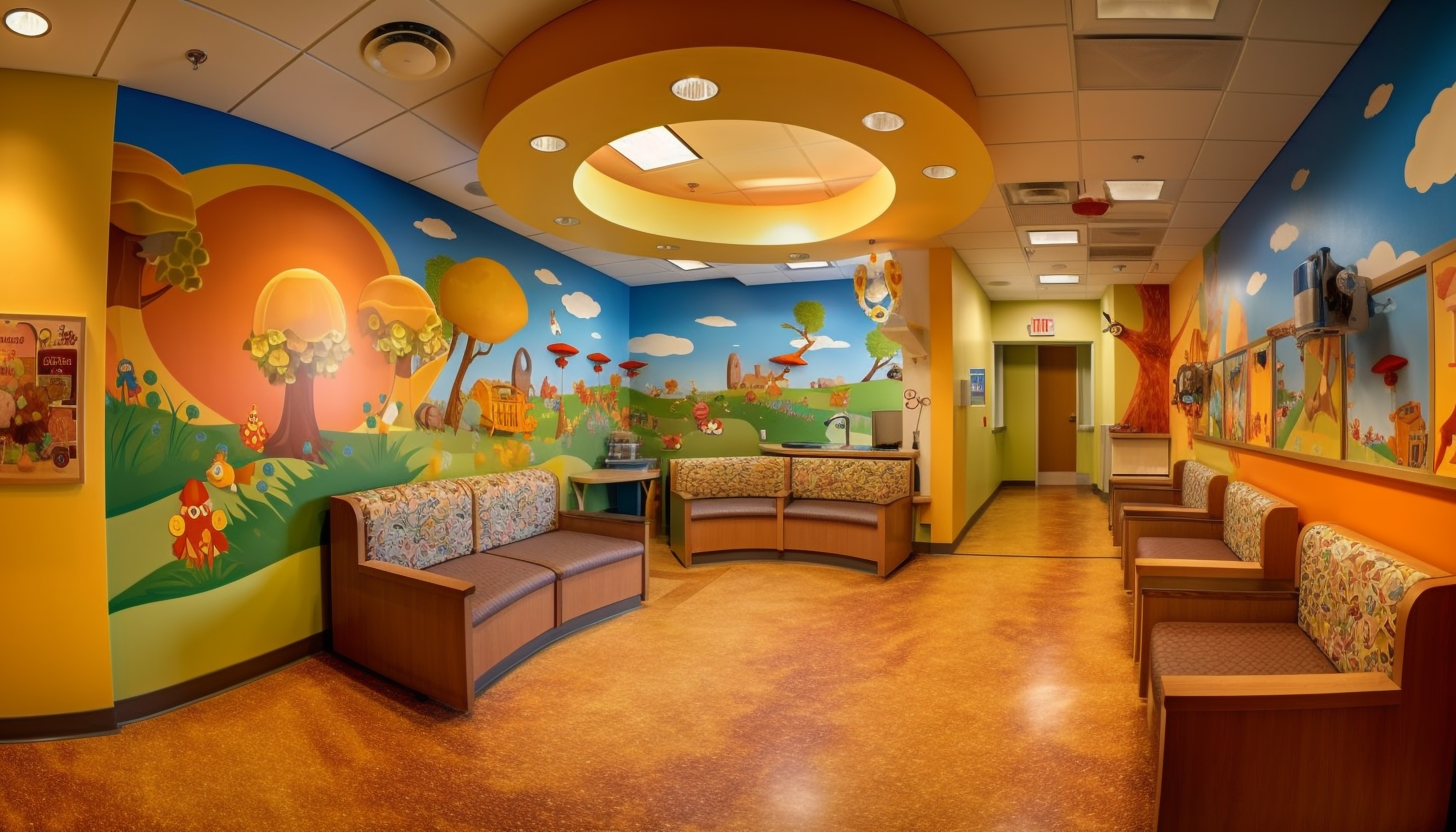
One of the most important architectural design features in daycare facilities is a child-centric scale since it makes sure every part of the environment fits the size, needs, and abilities of small children. Designing at a child’s scale promotes independence, safety, and involvement by allowing children to simply interact with their surroundings.
Low windows, for example, encourage curiosity and a connection with nature by allowing children to see their surroundings. All furniture, sinks, toilets, and shelves should be of appropriate sizes such that children may reach them without adult aid, hence fostering self reliance and boosting self confidence. Open shelves, individual cubbies, and child-height coat hooks let youngsters join in cleaning projects and manage their belongings with ease.
@silvestre.architecture 🐥🌈 Descubre el encanto en nuestro último diseño “Little Vital”: Diseño de Guardería para Niños 🏫✨ En este reel, te llevamos en un recorrido por el emocionante diseño de “Little Vital”, una guardería diseñada para estimular la imaginación y el aprendizaje de los más pequeños. Desde áreas de juego coloridas hasta rincones acogedores, cada detalle está pensado para fomentar la diversión y la creatividad. ¡Déjate inspirar por la magia de la infancia y descubre cómo creamos un espacio seguro y estimulante para los más pequeños! ¿Quieres más ideas para el diseño de espacios infantiles? ¡Síguenos para descubrir más! #GuarderíaInfantil #DiseñoInfantil #Arquitectura #Interiordesign #architecture
Designed from a child’s point of view, hallways and doors should have distinct sight lines and minimise intimidation or overload. Children sense the area really belongs to them thanks to visual elements set at eye levels like paintings, signs, or mirrors. Designing centres with adult scale only can result in annoyance, dependence, and perhaps safety concerns. Child-scaled surroundings, on the other hand, are naturally warmer and more welcoming.
By letting kids move freely, make decisions, and develop fine and gross motor skills in a place that fits their bodies, they help cognitive and physical growth. In the end, a scale that favours the child is a core idea that honours children’s rights, independence, and developmental demands rather than just a design decision.
Architecture Of Childcare Centres 5: Indoor-Outdoor Connection
One of the most important architectural design features in modern childcare facilities is great indoor-outdoor connection. Beyond aiding youngsters’ physical development, this design approach supports emotional wellness and cognitive growth.
Thanks to smooth transitions between interior classrooms and outside play areas, children can move freely between environments, therefore fostering autonomy and decision-making. Direct access to secure outside spaces fosters spontaneous play, which is crucial for social contact, motor skills development, and imagination. Including water play, gardens, grassy mounds, and sandpits among natural elements promotes sensory investigation and enables children to connect with nature.
Covered verandahs or guarded trails make outdoor spaces useful in a range of temperatures, therefore ensuring that regular daily activities include nature-based learning. Big sliding or bifold glass doors let in more natural light and circulation inside the centre, so promoting a healthier and more creative environment, in addition to providing a view of the outside. Extending indoor learning areas, well designed outdoor environments should present opportunities for group activities, narrative, or quiet meditation in nature. Incorporating outside adventure with indoor comfort creates a comprehensive, engaged learning atmosphere.
Architecturally, the indoor outdoor link improves airflow, raises flexibility, and supports ecologically friendly design. Ultimately placing this connection first helps to build a basis for lifelong wellbeing by encouraging kids to remain active, inquisitive, and connected to the natural world around them inside a safe and loving environment.

Speak with The Experts
Planning to get started at your kindergarten but have no idea about it?
Childcare Center Renovation Singapore is a reliable company for renovation and interior design. They have about ten years of experience in this field and have a good reputation among customers.
Call us now to get your desired kindergarten design ideas now!